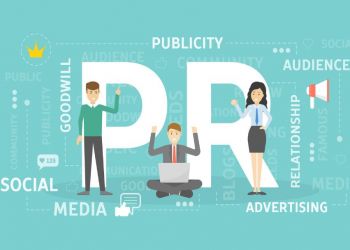
The Mastering Public Relations and Media Strategy course, offered by Geneve Institute of Business Management, is designed to build a refined understanding of how organizations shape perception, manage communication, and maintain credibility in a fast-moving media environment. This program explores the strategic role of public relations in aligning organizational messaging with stakeholder expectations, while strengthening media engagement and reputation positioning. Participants will gain a structured perspective on communication planning, brand voice development, and the evolving relationship between traditional and digital media channels.
Target Group
-
Public relations officers and communication specialists seeking structured expertise
-
Marketing and brand managers responsible for media presence and reputation
-
Corporate executives involved in strategic communication and stakeholder engagement
-
Government and NGO professionals managing public information and outreach
-
Entrepreneurs and business owners aiming to strengthen brand visibility
-
Media coordinators and spokespersons handling press relations
Objectives
-
Develop a clear understanding of public relations functions within modern organizations
-
Strengthen the ability to design and implement effective media strategies
-
Enhance skills in crafting consistent and impactful communication messages
-
Build awareness of reputation management principles and crisis communication
-
Improve coordination between PR, marketing, and corporate strategy
-
Gain insight into media channels and audience engagement techniques
Course Outline
Foundations of Public Relations
-
Principles of Public Relations
-
Understanding the core concept of public relations and its evolving role in shaping communication between organizations and their stakeholders in a dynamic environment
-
Examining how public relations contributes to organizational success by supporting transparency, credibility, and long-term relationship building
-
Reviewing ethical considerations that guide responsible communication practices and protect the integrity of organizational messaging
-
-
Corporate Identity and Image
-
Exploring the essential elements that form a strong and recognizable corporate identity across different communication channels
-
Analyzing the relationship between public image and organizational reputation in influencing stakeholder perception and trust
-
Emphasizing the importance of maintaining consistency in messaging to reinforce a unified and professional brand presence
-
Strategic Communication Planning
-
PR Strategy Development
-
Understanding how to design a structured public relations strategy that aligns with the broader direction and priorities of the organization
-
Identifying how communication objectives can support business goals and contribute to measurable organizational outcomes
-
Establishing clear communication priorities to ensure focused and effective messaging across all channels
-
-
Audience Analysis
-
Learning how to identify and define target audiences based on relevant demographic, professional, and behavioral characteristics
-
Exploring methods for segmenting stakeholders to tailor communication approaches for greater relevance and impact
-
Understanding audience expectations and preferences to enhance engagement and strengthen communication effectiveness
-
Media Landscape and Channels
-
Media Types and Functions
-
Gaining a comprehensive overview of traditional media platforms and their continued relevance in structured communication strategies
-
Understanding the growing role of digital media platforms in expanding reach and enabling real-time interaction with audiences
-
Analyzing how different media channels influence public opinion and shape the narrative around organizations
-
-
Channel Selection
-
Learning how to select the most appropriate communication channels based on audience profile and communication objectives
-
Understanding how to match the message content with the characteristics and expectations of each media platform
-
Evaluating timing and frequency considerations to maximize the effectiveness and visibility of communication efforts
-
Message Development and Positioning
-
Message Crafting
-
Developing the ability to structure clear, coherent, and impactful communication messages that align with organizational goals
-
Ensuring consistency in messaging across different platforms to maintain clarity and avoid confusion among stakeholders
-
Adapting tone, language, and style to suit different audiences while preserving the core message
-
-
Brand Positioning
-
Understanding how to define and communicate a strong brand voice that reflects the organization’s identity and values
-
Presenting value propositions in a way that highlights organizational strengths and differentiates from competitors
-
Strengthening overall brand perception through consistent and strategic communication efforts
-
Media Relations Management
-
Building Media Relationships
-
Identifying key media contacts and understanding their relevance to organizational communication objectives
-
Developing professional communication approaches that foster trust and credibility with media representatives
-
Maintaining long-term relationships with media outlets to support continuous and positive coverage
-
-
Press Communication
-
Understanding how to structure press releases in a clear and organized format that meets professional media standards
-
Preparing official statements that reflect accuracy, clarity, and alignment with organizational messaging
-
Managing media inquiries effectively to ensure timely and consistent responses
-
Corporate Reputation Management
-
Reputation Building
-
Understanding the various factors that influence corporate reputation and how they interact over time
-
Strengthening stakeholder trust through consistent, transparent, and reliable communication practices
-
Maintaining credibility by aligning communication messages with actual organizational performance
-
-
Reputation Monitoring
-
Learning how to track public perception using different monitoring tools and feedback channels
-
Identifying communication gaps that may affect the organization’s image and require corrective action
-
Responding to feedback in a structured and professional manner to maintain a positive reputation
-
Crisis Communication Strategy
-
Crisis Preparedness
-
Identifying potential communication risks that could impact the organization and preparing appropriate response plans
-
Developing structured communication frameworks to guide actions during high-pressure situations
-
Assigning clear communication roles and responsibilities to ensure coordinated responses
-
-
Crisis Response
-
Managing communication effectively under pressure while maintaining clarity and professionalism
-
Delivering timely and accurate messages to control the narrative and reduce uncertainty
-
Protecting organizational reputation by demonstrating transparency and accountability
-
Digital Public Relations
-
Online Presence Management
-
Understanding how to manage digital communication channels to maintain a strong and consistent online presence
-
Ensuring that all online messaging reflects the organization’s identity and communication strategy
-
Monitoring digital interactions to identify trends and respond to audience engagement effectively
-
-
Social Media Strategy
-
Selecting appropriate social media platforms based on audience characteristics and communication goals
-
Structuring content in a way that aligns with platform dynamics and audience expectations
-
Engaging with online audiences through consistent and well-managed communication efforts
-
Internal Communication and Alignment
-
Internal Messaging
-
Understanding the importance of aligning internal communication with external messaging to ensure consistency
-
Ensuring clarity and coherence in communication across departments and organizational levels
-
Supporting organizational objectives through well-structured internal communication practices
-
-
Employee Engagement Communication
-
Recognizing the role of employees as key contributors to organizational communication and brand representation
-
Strengthening internal communication channels to improve engagement and information flow
-
Promoting a unified communication culture that reflects shared organizational values
-
Performance Measurement and Evaluation
-
PR Performance Metrics
-
Identifying key performance indicators that measure the effectiveness of public relations activities
-
Understanding how to evaluate media impact and audience reach across different platforms
-
Analyzing communication outcomes to determine strengths and areas for improvement
-
-
Strategy Improvement
-
Reviewing overall public relations performance to identify opportunities for enhancement
-
Adjusting communication strategies based on insights and performance data
-
Strengthening future planning by integrating lessons learned into upcoming communication initiatives
-
Venues and dates
This programme runs every month in the following cities. Select a venue to register.
 Geneva
Switzerland
 Zurich
Switzerland
Basel
Switzerland
 London
UK
 Manchester
UK
 Oxford
UK
 Madrid
Spain
 Barcelona
Spain
 Paris
France
 Rome
Italy
 Vienna
Austria
Oslo
Norway
 Athens
Greece
 Copenhagen
Denmark
 Berlin
Germany
 Munich
Germany
 New York
USA
 Washington
USA
 Dubai
UAE
 Istanbul
Turkey
 Amsterdam
Netherlands
 Brussels
Belgium
 Lisbon
Portugal
 Malaga
Spain
 Milan
Italy
 Dusseldorf
Germany
 Prague
Czech Republic
 Budapest
Hungary
 Stockholm
Sweden
 Sheffield
UK
 Bangor
UK
 Ankara
Turkey
 Abu Dhabi
UAE
 Doha
Qatar
 Riyadh
Saudi Arabia
 Jeddah
Saudi Arabia
 Dammam
Saudi Arabia
 Muscat
Oman
 Amman
Jordan
 Cairo
Egypt
 Sharm El Sheikh
Egypt
 Casablanca
Morocco
 Marrakesh
Morocco
 Agadir
Morocco
 Tangier
Morocco
 Tunis
Tunisia
 Kuala Lumpur
Malaysia
 Singapore
 Jakarta
Indonesia
 Phuket
Thailand
 Tokyo
Japan
 Beijing
China
 Los Angeles
USA
 California
USA
 Toronto
Canada